Learn about the Vital Services Delivered by a Professional Arborist for Healthy Trees
A professional arborist offers a range of services essential for keeping trees healthy and improving landscapes. Their expertise in tree pruning stimulates development and minimizes threats. They also assess and handle tree diseases, making sure personalized treatments are established - Florence Arborist. Additionally, arborists manage secure tree removal and can assist with planting and transplanting. Their role becomes even more crucial during emergencies such as storm damage. Understanding these services can significantly affect one’s approach to tree care
The Significance of Tree Pruning
Although many homeowners often neglect the necessity of tree pruning, it is crucial in preserving the health and aesthetics of trees. Effective pruning helps trees develop a strong structure, eliminating dead or infected limbs that could present dangers. By selectively trimming branches, the tree can direct its energy on healthy growth, fostering superior air movement and sunlight penetration. Additionally, pruning can improve the look of the tree, contouring it for attractiveness in residential landscapes.
Moreover, regular pruning can avert future risks, such as falling branches during storms or high winds, which could harm property or injure individuals. It also aids in the prevention of pest infestations and diseases by improving the tree's resilience. Ultimately, hiring professional arborists for tree pruning makes sure trees are kept healthy, safe, and aesthetically appealing, contributing considerably to the overall beauty and value of the property.
Diagnosing and Managing Tree Diseases
Tree health can be greatly compromised by various diseases that may not always be readily apparent. A professional arborist plays an essential role in detecting these problems soon, utilizing a combination of visual inspections and testing equipment. Symptoms such as unusual leaf coloration, wilting, or unusual growth patterns often signal underlying health issues. Arborists evaluate these signs to determine exact ailments, whether fungal, bacterial, or viral in nature.
When the problem is identified, the tree specialist creates a tailored management plan. The plan often involves focused interventions, such as chemical controls, and cultivation methods that enhance tree resilience. Moreover, proper watering, the application of mulch, and nutrition helps greatly enhance tree health and ability to fight off illness. Consistent observation and subsequent care are critical to successful control, ensuring the longevity and vigor of the trees. By taking a proactive approach to tree diseases, professionals preserve the beauty and ecological benefits that healthy trees offer.
Best Practices for Tree Felling
Safe tree extraction techniques are critical for securing the safety of the crew and limiting harm to surrounding property. Professional arborists employ a comprehensive evaluation of the state of the tree, its location, and the surrounding environment before beginning the felling process. Arborists use specific tools, such as ropes and cutting tools, to ensure accurate cutting and maintain control while cutting down the tree.
A well-planned removal strategy includes identifying potential hazards, such as nearby buildings or utility lines, which can affect the security of the job. Arborists often use a technique called "sectional dismantling," in which the tree is taken apart in smaller segments, minimizing the danger from falling material.
Moreover, arborists adhere to local rules and standards to ensure adherence and responsible environmental care. After the removal, thorough clearing and removal of the tree debris, including stump grinding, contribute to the overall safety and aesthetics of the property.
Guidelines for Tree Installation
Planting and transplanting trees demands close attention of site selection and planting techniques to ensure future vitality and growth. Choosing the correct site significantly influences a tree's development, while proper planting methods minimize stress and encourage the tree to thrive. Professionals stress these considerations as essential for enhancing the vigor and longevity of trees in any landscape.
Proper Site Selection

Selecting an appropriate site for relocating or establishing trees is vital for their long-term health and growth. Considerations including the condition of the soil, the amount of sun, and drainage must be carefully evaluated. Trained tree experts evaluate the location's features, to guarantee that the selected area provides adequate nutrients and stability for the specific tree type. Furthermore, the nearness to established constructions and surrounding flora is essential to avoid resource contention and avoid potential damage. Arborists also consider the tree’s maximum height and width and root system, ensuring sufficient space for growth. By conducting a thorough site analysis, these experts help clients reach educated conclusions that encourage strong, successful trees, thereby improving the landscape’s aesthetic and ecological value.
Proper Techniques for Installation
When the planting spot is meticulously reviewed and picked, the next step involves employing ideal planting techniques for trees. Proper preparation of the planting hole is vital; it should be double the diameter of the root system and the same depth as the root ball. It is necessary to set the tree in the hole so that the crown of the root mass is even with the existing grade. Refill using the original dirt, making sure to eliminate air gaps, and irrigate completely to encourage early root growth. Applying mulch at the bottom aids in water retention and suppress weeds. Florence Arborist. For transplanting existing trees, it is crucial to limit damage to the roots and transplant during dormancy for the best chance of survival. Adhering to these methods fosters healthy growth and longevity
Responding to Storm-Related Tree Hazards
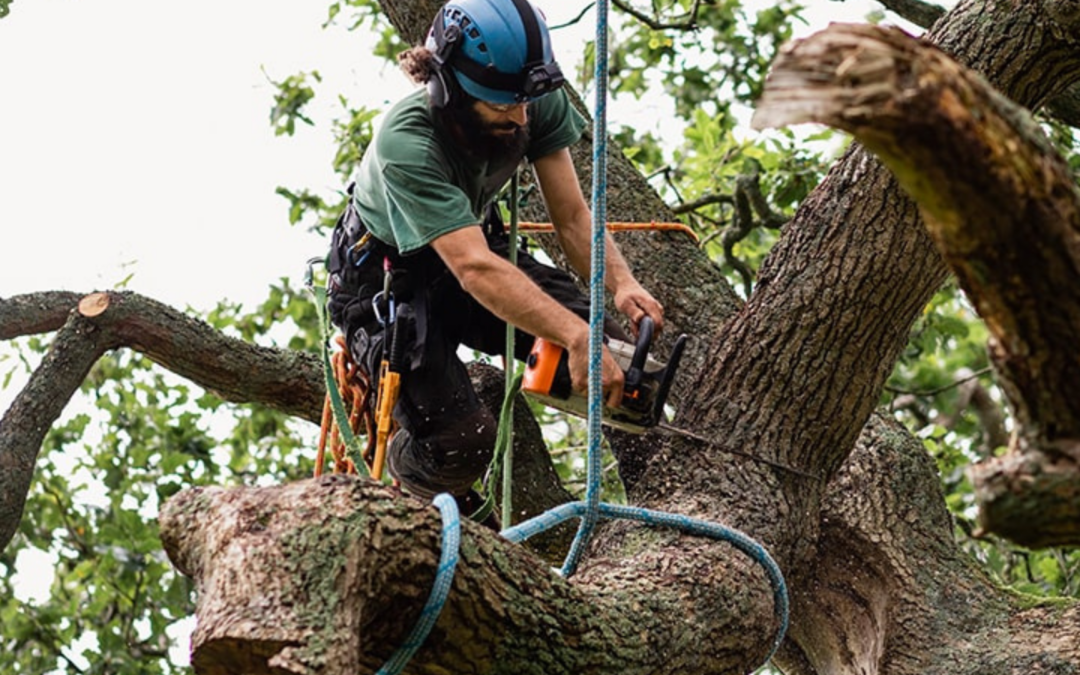
When severe storms strike, the resultant conditions may leave trees in perilous conditions, endangering structures and security. Certified tree experts are crucial in immediate action, assessing trees harmed by the storm to determine their stability and health. Their expertise allows them to identify which plants can be saved and which are serious, instant risks that need to be taken down.
Using professional equipment, tree experts are able to securely trim fractured limbs and clear debris, reducing additional harm to nearby locations. They also provide valuable advice on precautionary steps, such as picking durable tree varieties for future planting.
Apart from the initial cleanup, professionals guide property owners through the possible lasting consequences of the storm, giving counsel on how to repair and revive. Through quick and effective action, professional arborists not only protect property but also contribute to the restoration of the local environment after severe storms.
Tree Nutrition and Soil Management
Subsequent to storm damage, the priority becomes the well-being of the trees that remain, highlighting the significance of nutritional support and earth maintenance. A certified tree specialist assesses soil conditions and tree health to figure out precise nutrient requirements. Trees need key nourishment, such as nitrogen, phosphorus, and potassium, to bounce back and flourish following stressful periods.
Soil management is crucial for how nutrients are accessed and root development. Tree specialists often suggest ground improvements, such as organic matter, to boost soil structure and the action of microorganisms. Proper pH levels are also evaluated, as they impact nutrient uptake.
Applying mulch can help the soil hold water and prevent weed growth, making a suitable condition for the tree's recuperation. With a detailed feeding regimen and using smart soil maintenance methods, arborists guarantee trees recover their consult now vigor, resilience, and total well-being, which is critical for maintaining a balanced ecosystem after environmental disturbances.
Questions and Answers
When Should My Trees Be Checked?
Trees should ideally be inspected once a year for peak health. Yet, checking them more often might be required for younger trees, following harsh storms, or if distress or illness becomes apparent.
What Expertise is Needed in an Arborist?
In your search for a tree expert, one should prioritize certifications like ISA (the ISA) accreditation, relevant experience, insurance coverage, and a good standing locally, guaranteeing skill in arboriculture and safe procedures.
Do Arborists Utilize Special Equipment for Tree Care?
Arborists utilize various specialized tools for tree care, like chainsaws, pruning shears, climbing gear, and stump grinders. Every piece of equipment has a distinct function, facilitating good care, pruning, and removal of trees and boosting total well-being and safety.
What is the Influence of Climate on Tree Health?
The state of the weather strongly influences tree health; heavy rainfall may result in root rot, while dry spells put strain on trees. Temperature extremes can damage leaves and branches, which affects growth, durability, and general health of the trees.
Should I handle my own tree maintenance, or Do I need to call in a specialist?
Even though a few fundamental tree care duties are manageable by homeowners, it's often wise to employ a professional - Florence Arborist. Experts possess specialized knowledge and tools, to make sure the trees receive the appropriate care required for peak growth and vitality